During the 19th century, fashion and etiquette shaped nearly every aspect of daily life, particularly in Victorian Britain. The Victorian era was known for its strict social codes, refined manners, and attention to personal appearance. Also it was normal to photograph loved ones after they died. Gentlemen were expected to present themselves with dignity and style, and one of the most iconic symbols of masculine fashion at the time was the mustache. From military officers to politicians and aristocrats, facial hair—especially well-groomed mustaches—became a defining feature of male identity.
However, the popularity of elaborate mustaches created an unexpected problem during one of Britain’s favorite daily rituals: drinking tea. Victorian gentlemen often styled their facial hair with wax or pomade to maintain a carefully shaped appearance. When sipping hot tea or coffee from ordinary cups, their mustaches could easily dip into the beverage. This not only ruined the carefully groomed hair but also melted the wax used to shape it, causing the mustache to droop or lose its form.
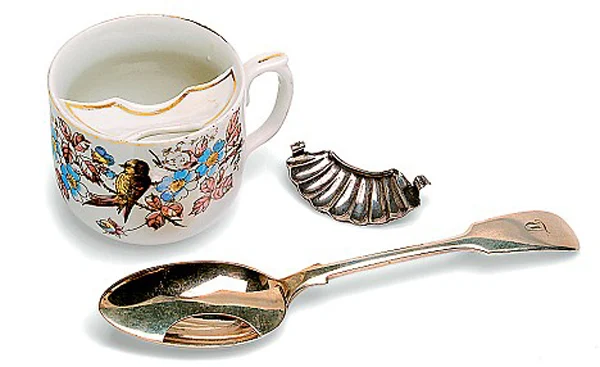
To solve this surprisingly practical issue, inventors and porcelain manufacturers introduced an ingenious solution known as the mustache cup. These specially designed mugs contained a small internal ledge or guard that protected the mustache while allowing the drinker to sip comfortably. Though the invention might seem amusing today, it reflected the Victorian obsession with propriety, grooming, and clever design.
The mustache cup became a unique cultural artifact of the period—part fashion accessory, part practical tool. Today, these cups remain fascinating historical objects that reveal how even the smallest inconveniences of everyday life could inspire inventive solutions during the Victorian era.
The Importance of Mustaches in Victorian Society
To understand why mustache cups became popular, it is necessary to explore the cultural importance of facial hair during the Victorian era. In the mid-19th century, mustaches evolved from a simple grooming choice into a powerful symbol of masculinity, status, and personal identity.
This trend was partly influenced by military culture. British soldiers who served in colonial campaigns, particularly in India, often adopted mustaches as part of their appearance. Military officers viewed facial hair as a mark of discipline and toughness, and this association gradually spread into civilian society. By the 1850s and 1860s, mustaches had become fashionable among men of various professions, including lawyers, politicians, businessmen, and academics.
Victorian grooming standards emphasized meticulous care. Gentlemen frequently used specialized tools such as mustache combs, brushes, and waxes to maintain their facial hair. Mustache wax, made from ingredients like beeswax and oils, allowed men to twist or shape the ends of their mustaches into elegant curls. This grooming routine required patience and attention, but the result was a refined and dignified appearance.
Facial hair also carried symbolic meaning. A thick, well-maintained mustache suggested maturity, authority, and confidence. In contrast, a clean-shaven face could sometimes be associated with youth or lack of experience. For many Victorian men, the mustache became a badge of honor that reflected both personal style and social status.
Because so much effort went into grooming these mustaches, protecting them from damage became a daily concern. Everyday activities such as eating soup or drinking tea could easily disrupt the carefully applied wax. Tea was particularly problematic because the heat from the beverage could melt the wax, causing the mustache to sag or lose its shape.
These challenges created the perfect opportunity for innovation. As Victorian society increasingly valued both style and practicality, designers began searching for ways to protect facial hair without compromising the gentlemanly ritual of enjoying a hot drink.
The Invention of the Mustache Cup
The mustache cup emerged as a clever solution to the grooming challenges faced by Victorian gentlemen. The invention is generally credited to Harvey Adams, a British potter who patented the design in the 1860s. Adams recognized that ordinary teacups were not compatible with the elaborate facial hair that had become fashionable among men.
His design introduced a simple but effective feature: a small semicircular shelf or guard placed inside the rim of the cup. This guard contained a narrow opening that allowed liquid to flow through while preventing the drinker’s mustache from touching the beverage. The mustache would rest safely above the guard, remaining dry and perfectly styled.
The concept was surprisingly practical. When the drinker tilted the cup, tea would pass beneath the guard and through the small opening, allowing them to sip normally. Meanwhile, the mustache stayed protected from both moisture and heat.
Manufacturers quickly recognized the commercial potential of the invention. Porcelain companies across Britain and Europe began producing mustache cups in a wide variety of styles. Some were simple and elegant, while others featured elaborate decorative patterns, gold accents, or painted designs.
These cups were often marketed specifically toward gentlemen who valued both fashion and refinement. In some cases, mustache cups were even given as gifts, particularly for birthdays, holidays, or special occasions. Owning one became a sign of sophistication and awareness of modern trends.
Although the basic design remained consistent, small variations appeared over time. Some cups featured larger guards for particularly elaborate mustaches, while others had removable inserts that could be cleaned separately. Despite these differences, the core idea remained the same: preserving a gentleman’s carefully groomed facial hair while enjoying a hot beverage.
Daily Life with a Mustache Cup
For Victorian gentlemen, tea drinking was more than a simple act of hydration—it was an important social ritual. Tea time often served as an opportunity for conversation, relaxation, and polite interaction. Within this context, maintaining proper appearance and etiquette was essential.
The mustache cup allowed men to participate in these social rituals without worrying about damaging their carefully styled facial hair. When using the cup, the drinker would position their mustache above the internal guard while placing their lips against the opening beneath it. The design ensured that the mustache remained untouched by the liquid.
In practice, the experience could take a little getting used to. First-time users sometimes needed a moment to adjust their drinking technique. However, once familiar with the cup’s design, many found it quite comfortable and convenient.
Mustache cups were commonly used not only for tea but also for coffee and other hot beverages. They became particularly popular in households where formal etiquette played an important role. A gentleman hosting guests might proudly display his mustache cup as a symbol of refined taste and modern convenience.
The cups were also practical for everyday grooming. Because mustache wax softened easily when exposed to heat, even a small amount of hot liquid could ruin hours of careful styling. By preventing contact with the beverage, the cup preserved the mustache’s shape throughout the day.
Interestingly, mustache cups were not always limited to home use. Some cafés and restaurants in the late 19th century kept them available for customers who requested them. This small accommodation reflected how widespread the mustache trend had become.
Though the concept may seem humorous today, the mustache cup represented a thoughtful blend of design and practicality. It addressed a genuine inconvenience while maintaining the elegance expected in Victorian social life.
The Decline of Mustache Cups
Despite their popularity in the late 19th century, mustache cups gradually disappeared during the early 20th century. The decline of the object was closely tied to changing fashion trends and evolving attitudes toward facial hair.
By the early 1900s, grooming styles began shifting. The once-dominant Victorian mustache started to lose its cultural prominence, replaced by new trends such as shorter facial hair or clean-shaven faces. The rise of safety razors, which made shaving easier and more accessible, contributed to this transformation.
World War I also played a role in changing grooming habits. Many soldiers were required to shave regularly to ensure a proper seal when wearing gas masks. This military necessity helped normalize clean-shaven appearances among large numbers of men.
As fewer men maintained large, waxed mustaches, the practical need for mustache cups diminished. Manufacturers gradually stopped producing them, and the once-common household item faded from everyday use.
However, the disappearance of mustache cups did not mean they were forgotten. Over time, they became sought-after collectibles among antique enthusiasts and historians. Today, surviving examples can be found in museums, antique shops, and private collections around the world.
Collectors often value mustache cups for their craftsmanship and decorative beauty. Many feature intricate patterns, delicate porcelain work, or artistic painting that reflects the design aesthetics of the Victorian era. Some cups even display humorous illustrations related to mustaches and gentlemanly grooming.
These artifacts now serve as charming reminders of a time when fashion influenced even the design of everyday objects.
A Curious Symbol of Victorian Innovation
The story of the mustache cup highlights an intriguing aspect of Victorian culture: the ability to combine practicality with elegance. At a time when social appearance carried great importance, even a minor inconvenience like wet mustaches inspired creative solutions.
Victorian society was full of similar inventions designed to make life more comfortable while maintaining proper etiquette. From specialized grooming tools to elaborate dining utensils, designers constantly sought ways to address the needs of a rapidly changing world.
The mustache cup stands out because of its simplicity and humor. Modern audiences often find the concept amusing, yet it demonstrates how deeply fashion influenced daily routines in the 19th century. For Victorian gentlemen, preserving a perfectly styled mustache was not merely vanity—it was part of presenting oneself with dignity and refinement.
Today, the mustache cup remains a fascinating example of how small cultural trends can shape everyday technology. What began as a practical solution to a grooming problem eventually became a distinctive artifact of an entire historical era.
Let’s go to Conclusion
The Victorian mustache cup may appear whimsical to modern observers, but it reveals much about the values and lifestyle of the 19th century. In an era defined by strict etiquette, attention to grooming, and social refinement, even the act of drinking tea required thoughtful consideration.
As mustaches became an essential part of masculine fashion, practical challenges arose that demanded innovative solutions. The mustache cup answered this need with a clever internal guard that protected carefully waxed facial hair from hot beverages. Its invention demonstrated both ingenuity and an understanding of the everyday habits of Victorian gentlemen.
Although the popularity of mustache cups faded as fashion trends changed in the early 20th century, these objects continue to captivate historians and collectors today. They serve as charming reminders of a time when style influenced the design of household items in unexpected ways.
More importantly, the mustache cup illustrates how historical artifacts can reveal the small, human details of the past. While major events and political figures often dominate historical narratives, everyday objects like these provide insight into the daily experiences, concerns, and creativity of ordinary people.
In this sense, the humble mustache cup offers more than just a clever solution to a grooming problem—it provides a window into the cultural world of the Victorian gentleman.