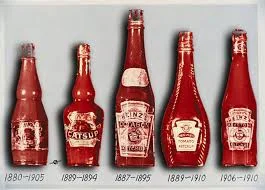
Most people today think of ketchup as a familiar bottle sitting in refrigerators and diners across the world—a tasty condiment perfect for fries, burgers, and countless comfort foods. But in the early 19th century, ketchup had a very different reputation. Long before it became a staple of American kitchens, ketchup was marketed as a form of medicine, believed to cure stomach ailments and digestive discomfort. In fact, in 1834, an Ohio physician named Dr. John Cook created and sold what he called “tomato pills,” a medicinal preparation that treated ketchup not as food but as a pharmaceutical remedy. Surprisingly, Americans bought into this idea for several years, convinced that tomatoes themselves possessed remarkable healing powers. It wasn’t until decades later, in the late 1800s, that ketchup evolved into the condiment we know today. The story of ketchup’s transformation from medicinal cure-all to culinary favorite reveals a fascinating chapter in food history—one shaped by shifting beliefs, entrepreneurial creativity, and changing American tastes.
Why Ketchup Was Considered Medicine: Tomatoes, Health Myths, and Early Food Science
In the early 19th century, medical knowledge was still developing, and many foods carried reputations based on speculation rather than scientific fact. Tomatoes, in particular, existed in a strange space: widely grown, often enjoyed, yet also regarded with suspicion by some Americans. Many people believed tomatoes were poisonous because they belonged to the nightshade family, which includes several toxic plants. However, by the 1820s and 1830s, tomatoes began to gain popularity in the United States, especially as physicians and food reformers started praising their nutritional qualities. Dr. John Cook of Ohio was one of the early advocates who insisted that tomatoes possessed medicinal value. He believed that the acids and nutrients in tomatoes could aid digestion, treat stomach discomfort, and even cure conditions such as diarrhea, indigestion, and jaundice.
At the time, Americans eagerly embraced patented medicines—commercial products often sold with bold, unregulated claims. It was an era when many physicians and entrepreneurs marketed powders, syrups, pills, and tonics advertised as miracle cures. Within this environment, Dr. Cook’s tomato-based remedies seemed entirely plausible. He created a recipe for ketchup that he believed could extract the tomato’s “healing essence,” then distilled it into pill form. These tomato pills were sold widely and advertised in newspapers as natural treatments for digestive disorders. Cook promoted them as healthier alternatives to the harsh purgatives and questionable chemicals commonly used in medical practice at the time.
The idea that ketchup could be medicine also reflects broader cultural trends. Americans in the 1830s were increasingly interested in “natural” treatments derived from plants rather than synthetic compounds. Tomatoes fit neatly into this movement, and Cook’s tomato pills captured the imagination of a public eager for simple cures. Cook even published medical pamphlets promoting the benefits of tomatoes, helping spread the notion that eating or ingesting concentrated tomato products could cleanse the body and soothe the stomach. Although this belief may seem humorous to us today, it represented a genuine shift in understanding nutrition. Tomatoes were transitioning from mistrusted vegetables to celebrated sources of health, and ketchup—long before it was a condiment—played a surprising role in that story.
The Rise and Fall of Tomato Pills: Marketing, Competition, and Health Claims
Once Dr. Cook began selling his tomato pills, the product quickly gained attention. People who believed in herbal remedies or distrusted traditional medicine found the pills appealing. Advertisements described them as effective, safe, and natural—qualities that resonated with a population eager for medical solutions that did not involve harsh treatments such as bleeding, calomel, or primitive surgery. The success of tomato pills soon inspired competitors. Other patent medicine makers began producing their own tomato-based pills, syrups, and extracts, often claiming even more dramatic health benefits than Cook had originally proposed.
As competition increased, marketing became increasingly aggressive. Newspaper ads promised that tomato pills could cleanse the liver, improve circulation, cure rheumatism, and even treat “bilious attacks”—a vague term used to describe symptoms like fatigue, nausea, and headaches. Some advertisements suggested that tomato pills were effective against cholera, a serious and frightening disease during the 19th century. While such claims were medically unfounded, the lack of regulation at the time made them perfectly legal. And because many Americans were still skeptical of pharmaceutical science, they often turned to these patent medicines as affordable and accessible treatments.
However, the tomato-pill trend eventually met resistance. By the 1850s and 1860s, advances in medical science exposed many patent medicines as ineffective or even dangerous. Food scientists and physicians began to examine earlier health claims more critically. Although tomatoes were increasingly recognized as nutritious, the idea that concentrated tomato ketchup could function as a universal cure lost credibility. As the medical community moved toward more scientific understanding of disease, herbal remedies like tomato pills fell out of favor.
Another factor in the decline of medicinal ketchup was the rise of mass-produced foods. By the mid-19th century, ketchup was transitioning into a culinary product rather than a pharmaceutical one. Cook’s tomato pills no longer made sense in a world where tomatoes were eaten regularly and enjoyed for flavor rather than medicinal promise. The very success of tomatoes as an everyday food contributed to the collapse of the medicinal tomato industry. By the time ketchup became a widely recognized condiment, its medicinal origins were largely forgotten—relegated to the quirky footnotes of American food history.
How Ketchup Became a Condiment: Industrialization, Recipes, and Heinz’s Influence
Although ketchup appeared in America long before the 1800s, it looked and tasted nothing like today’s product. Early ketchup (or “catsup”) was derived from fermented fish sauces in Asia and later adapted by the British to include ingredients such as mushrooms, walnuts, and anchovies. Tomato-based ketchup gradually gained favor in the United States, but it wasn’t until the late 19th century that it truly became a culinary staple. The transition happened slowly, driven by changing food habits, expanding food preservation technologies, and increasing industrial production.
As American agriculture grew, tomatoes became abundant and inexpensive. Home cooks experimented with tomato sauces, relishes, and condiments, and recipe books from the mid-1800s included instructions for homemade ketchup flavored with vinegar, spices, and sugar. These early ketchups varied widely in consistency and taste, often depending on the household’s preferences or regional traditions. But the real breakthrough came with commercial bottling. As factories developed canning and bottling technologies, ketchup could be produced on a large scale, allowing it to reach households across the country.
Henry J. Heinz emerged as the key figure who transformed ketchup into a cultural icon. In the 1870s, he began producing a cleaner, safer, and more consistent version of tomato ketchup. At a time when many condiments were adulterated with preservatives and questionable ingredients, Heinz emphasized purity and transparency. His ketchup used ripe tomatoes, vinegar, sugar, and spices—but avoided the dangerous additives common in other brands. Heinz ketchup had a rich red color and a sweet, tangy flavor that appealed to a wide audience. The company’s commitment to cleanliness and quality helped build consumer trust, contributing to the nationwide popularity of ketchup.
By the late 1800s and early 1900s, ketchup was firmly established as a condiment. It was used on meats, seafood, potatoes, and increasingly on hamburgers as fast-food culture began to emerge. The shift from medicine to food was complete. Ketchup had evolved into something delicious and widely beloved, its medicinal past fading into obscurity as Americans embraced it for its flavor rather than its supposed healing powers. Today, Heinz remains synonymous with ketchup in many parts of the world, and its standardized formula has influenced nearly every modern brand. It is a far cry from Dr. Cook’s tomato pills, yet both chapters—the medicinal and the culinary—highlight ketchup’s unique journey through American history.
The Cultural Legacy of Ketchup: From Quack Cure to Global Favorite
The story of ketchup’s evolution reflects broader changes in American society, culture, and attitudes toward health and food. What began as a pseudo-medical remedy became a cherished condiment not because its ingredients changed dramatically, but because the context around it did. In the 1830s, Americans were searching for simple, natural cures, and tomatoes represented novelty and potential healing. By the late 19th century, the country was shifting toward industrialized food production, creating national brands that emphasized quality and consistency. Ketchup’s popularity grew alongside the expansion of restaurants, railroads, and eventually the fast-food industry.
Interestingly, ketchup’s transformation mirrors the rise of modern branding. Heinz’s success demonstrated the power of trust in food manufacturing—a crucial factor during an era plagued by food adulteration scandals. Ketchup’s red color became a visual symbol of purity and freshness, and its flavor suited a growing appetite for sweet-and-sour combinations that blended traditional European flavors with emerging American tastes. Ketchup also became a symbol of American cultural identity, appearing on dinner tables, in school cafeterias, and in diners across the nation.
Today, few people know or think about ketchup’s medicinal origins. Yet these origins remain historically significant because they highlight how beliefs about food and health evolve. The idea that a condiment could be a cure-all seems absurd now, but in the 1830s it reflected genuine curiosity about nutrition and an early stage in America’s understanding of vitamins and digestive health. Food history is filled with similar cases—items once believed to have medicinal power only to become ordinary foods later. Ketchup’s story fits neatly into this pattern, illustrating the shifting boundary between medicine and cuisine.
In a way, ketchup’s odd history enriches its modern identity. Knowing that it once sat alongside pills and tonics in a doctor’s office adds depth to the bottle many of us casually reach for without a second thought. It reminds us that food traditions are never static—they change in response to science, culture, and economics. Ketchup’s journey from quack remedy to global favorite is a perfect example of how something ordinary can contain extraordinary history.
From Doctor’s Remedy to America’s Favorite Condiment
Ketchup’s transformation from an 1830s “medicine” to a beloved condiment is one of the most unexpectedly delightful stories in food history. What began as Dr. John Cook’s attempt to market tomato pills as a digestive cure eventually evolved into one of the world’s most popular flavorings. This journey highlights how cultural beliefs, scientific understanding, and industrial innovation all interact to reshape a product’s identity. While today’s ketchup bears little resemblance to the medicinal concoctions once sold in apothecaries, its history reminds us that everyday foods can have surprising and even humorous origins. Whether squeezed onto fries or drizzled onto burgers, ketchup carries with it a legacy of experimentation, reinvention, and changing American tastes—proving that even the most ordinary condiments can have extraordinary stories.
Research and further reading
For readers who want to verify details or continue researching this subject, these external reference collections provide useful starting points: